What Is the Anion Gap?
The anion gap is a computed value used to assist interpret electrolytes in a blood chemistry panel. It is not directly measured like serum sodium or serum chloride; instead, it shows the difference between major positively charged and negatively charged ions in the blood. Clinicians use it as part of the overall evaluation of acid-base balance.
In simple terms, the anion gap helps identify whether an acid-base disorder may be present, especially metabolic acidosis. It can also help show whether a lab pattern fits a normal anion gap state or a high anion gap state. Because the value depends on multiple lab measurements, the clinical context matters just as much as the number itself.
The main ions used in the calculation are typically sodium, chloride, and bicarbonate. That means changes in serum bicarbonate and chloride level can alter the result, even when the underlying problem is happening elsewhere in the body. This is why the anion gap is best understood as a clue in pattern recognition, not a standalone diagnosis.
In what way an Anion Gap Calculator Functions
An Anion Gap Calculator relies on routine lab values to calculate the gap promptly and accurately. Most tools ask for serum sodium, serum chloride, and serum bicarbonate. Certain tools also factor in albumin, because low albumin can reduce the measured gap and hide an abnormal result.
The basic calculation is easy: sodium minus the sum of chloride and bicarbonate. The result is then checked with a reference range to determine whether it is below normal, normal, or high. This calculation supports clinicians understand whether there may be unmeasured acids in the blood, especially in cases of metabolic acidosis.
Albumin matters because it is a major unmeasured anion. When serum albumin is low, the anion gap may appear incorrectly normal or low. That is why an Anion Gap Calculator that includes albumin can improve the quality of the interpretation. The result becomes more meaningful when it is viewed alongside the full set of lab values, symptoms, and other laboratory findings.
In practice, the calculator is most useful when paired with the rest of the acid-base picture. A single result seldom tells the whole story. A clinician may look at the anion gap, bicarbonate level, chloride level, and other electrolytes together to understand whether the patient has a specific acid-base pattern or an underlying cause that needs attention.
Can Emesis Alter the Anion Gap?
Vomiting can change lab values, but it usually does not directly raise the anion gap. The more usual effect is the onset of metabolic alkalosis. That happens because vomiting removes gastric contents rich in hydrochloric acid, which shifts the body’s acid-base balance toward a more alkaline state.
When acid is removed from the stomach, the blood may become less acidic. At the same time, the kidneys and lungs work to maintain balance, which can alter electrolyte levels in consistent ways. The main impact is often seen in bicarbonate and chloride rather than in the anion gap itself.
That said, vomiting can sometimes be associated to an abnormal anion gap indirectly. If vomiting is marked, prolonged, or associated with another illness, the result can indicate a different process such as lactic acidosis or ketosis. In those cases, vomiting is not the direct cause of the anion gap change; it is part of the overall clinical picture.
How come Emesis Commonly Affects bicarbonate More Than the Anion Gap
Vomiting often elevate bicarbonate because acid is removed from the stomach. As hydrochloric acid leaves from the body, the relative amount of bicarbonate in the blood rises, leading to metabolic alkalosis. This process makes the bicarbonate level a more reliable marker of vomiting than the anion gap in many cases.
Chloride loss is another major factor. Loss of gastric chloride decreases the amount of chloride available in the blood, and that shift can favor alkalosis. Because the anion gap calculation is based on chloride and bicarbonate, changes in both can influence the result, but often not enough to create a clearly abnormal gap by themselves.
The body also tries to normalize pH through compensation. Breathing may decrease slightly to keep more carbon dioxide in the body, and the kidneys may change how they retain or excrete bicarbonate and electrolytes. These adjustments can make the lab picture more complicated, but the classic vomiting pattern is usually alkalosis with low chloride and high bicarbonate rather than a major anion gap abnormality.
In other words, vomiting usually alters the acid-base status first, and the anion gap may remain normal. If the normal anion gap is preserved, that does not mean the vomiting is harmless; it simply means the lab pattern fits chloride and bicarbonate shifts more than accumulation of unmeasured acids.
When Vomiting Can Be Linked to an Abnormal Anion Gap
Vomiting can occur alongside an abnormal anion gap when it contributes to, or occurs alongside, another metabolic problem. One common example is dehydration. Severe fluid loss can reduce tissue perfusion and lead to lactic acidosis, which may raise the anion gap.
Another cause is ketosis. If vomiting prevents eating for an extended period, the body may metabolize fat for fuel, producing ketones. Ketones are acids, and their build-up can lead to metabolic acidosis with a high anion gap. This is more common when vomiting is prolonged or accompanied by poor intake.
Vomiting can also occur in the setting of an electrolyte imbalance that is already altering acid-base status. In these situations, vomiting may be a manifestation of the problem rather than the root cause. The abnormal anion gap shows the underlying process, not the act of vomiting alone.
For that reason, an abnormal result should prompt careful review of the whole pattern: symptoms, history, medication use, and the rest of the blood chemistry panel. The distinction between vomiting as a trigger and vomiting as a clue to another disorder is important for accurate interpretation.
Frequent Causes of a High or Low Anion Gap
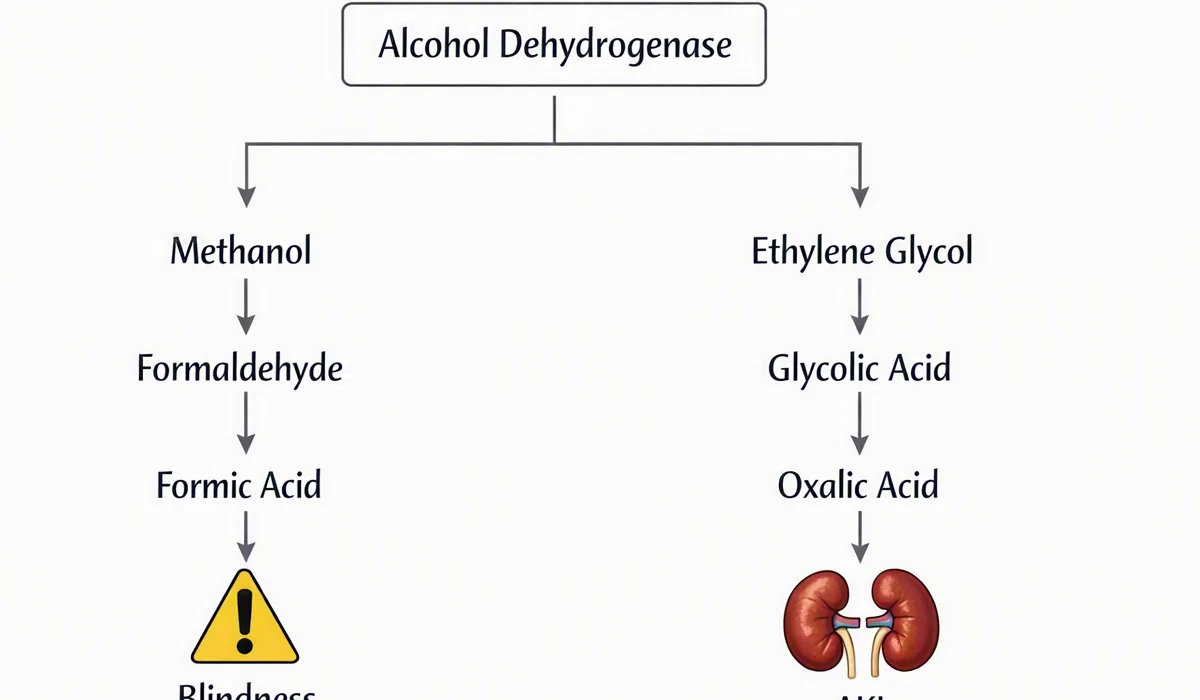
A elevated anion gap typically points to that acidic substances are accumulating. Frequent causes include lactic acid buildup, ketosis, renal insufficiency, and contact with certain poisons. These conditions can promote acid buildup or limit the body’s capacity to remove acid, both of which change the anion gap.
Renal insufficiency can elevate the gap because the kidneys are less able to remove acids. This allows acid to collect in the blood, shifting the acid-base balance. Toxic agents like alcohols or other poisons may also create a high anion gap by creating more acids or disrupting normal metabolism.
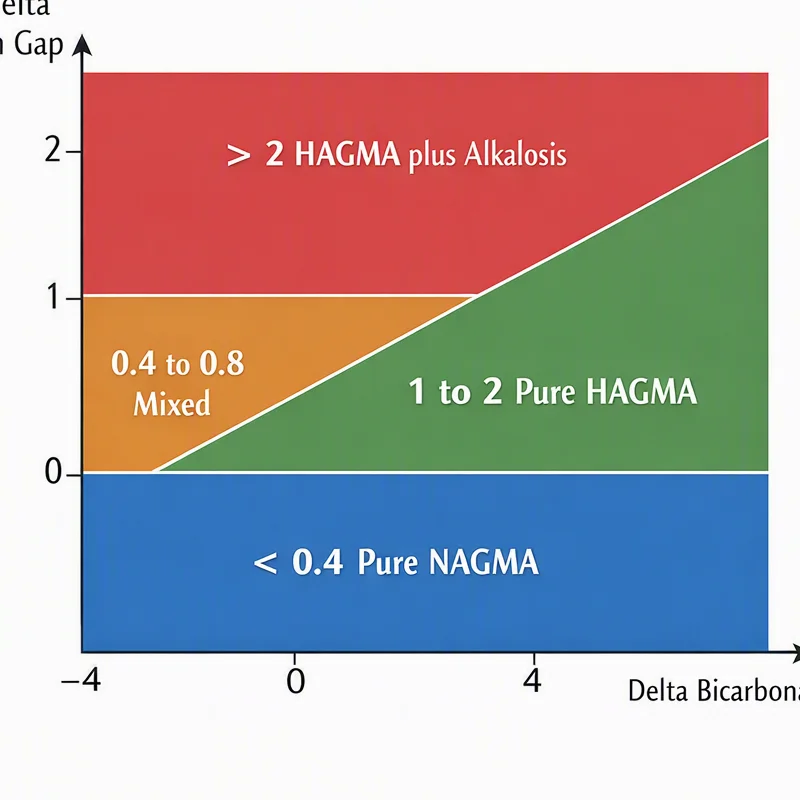
A low anion gap is uncommon, but it can happen. Reduced albumin is a common cause because albumin is an essential unmeasured anion. When albumin is low, the calculated gap may fall. Another classic cause is plasma cell myeloma, where abnormal proteins can alter the balance of measured and unmeasured ions.

These causes are important because vomiting does not exist in isolation. A person may vomit and also have an independent problem such as renal failure, toxins, or severe hypoalbuminemia. In that setting, the calculator result should be interpreted as part of a broader medical assessment rather than as evidence that vomiting itself accounts for the lab pattern.
How to Interpret Results Alongside Symptoms
An anion gap value should still be interpreted together with symptoms and the remainder of the laboratory test data. A blood test may indicate an abnormal value, but the meaning depends on whether the patient has emesis, nausea, dehydration, confusion, or other signs of illness. The number alone cannot give the full answer.
If the anion gap is within the normal range, that can point to a vomiting-related pattern such as metabolic alkalosis, especially when bicarbonate is elevated and chloride is low. If the gap is high or low, the next step is to think about the clinical context and whether there is another acid-base disorder present.
The symptoms guide the next phase of evaluation. Continued nausea, poor intake, weakness, or changes in breathing may suggest that the issue is more than simple stomach upset. A medical provider may order repeat labs, check serum albumin, review medications, and look for evidence of infection, kidney dysfunction, or toxin exposure.
This is where a careful medical provider uses pattern recognition. The mix of symptoms, lab values, and history helps determine whether vomiting is the main issue or whether it is revealing a separate disorder that changes the anion gap.
When to Obtain Medical Care for Vomiting and Lab Abnormalities
Seek medical evaluation if vomiting is continuous, severe, or combined with concerning lab abnormalities. Severe vomiting can lead to dehydration, electrolyte shifts, and greater acid-base problems. It can also make it difficult to keep fluids or medications down, heightening the risk of complications.
Immediate attention is important if vomiting occurs with confusion, marked weakness, fainting, chest pain, or trouble breathing. These symptoms may signal a dangerous metabolic problem, severe dehydration, or another condition that needs prompt treatment. In some situations, abnormal blood chemistry values can signal a true emergency.
Emergency care is especially important when vomiting is prolonged or when it is paired with a high anion gap, low bicarbonate, or other major abnormalities on a blood chemistry panel. Those findings may indicate lactic acidosis, ketosis, renal failure, or toxin exposure, all of which require timely evaluation.
If you have vomiting and an abnormal lab report, do not try to interpret the result in isolation. Ask a clinician to review the full context, including hydration status, medications, diet, and any recent illness. The safest approach is to treat the symptoms and the lab pattern together.
Frequently Asked Questions About Vomiting and the Anion Gap
Can vomiting directly cause a high anion gap?
Usually, no. Vomiting more commonly causes metabolic alkalosis with elevated bicarbonate and low chloride rather than a high anion gap. A high anion gap usually means another process is present, such as lactic acidosis, ketosis, renal failure, or exposure to toxins. Vomiting may be part of the overall illness, but it is not usually the direct reason for the elevated gap.
Why does vomiting usually raise bicarbonate instead of the anion gap?
Vomiting removes gastric acid, especially hydrochloric acid. Losing acid shifts the body toward alkalinity, which raises bicarbonate relative to other ions. At the same time, chloride loss often occurs, reinforcing the alkalosis. That is why the main effect is often seen in bicarbonate and chloride rather than the anion gap itself.
Can dehydration from vomiting change the anion gap?
Yes, but often indirectly. Dehydration can impair circulation and tissue perfusion, which may contribute to lactic acidosis and a high anion gap. Dehydration can also worsen electrolyte changes and make a metabolic problem more noticeable on a blood chemistry panel. The key issue is whether dehydration is causing another acid-producing process.
What does a low anion gap mean after vomiting?
A low anion gap after vomiting is not typically caused by vomiting itself. It may reflect hypoalbuminemia, lab variation, or less commonly a disorder such as multiple myeloma. Because albumin strongly shapes the gap, low serum albumin can make the result appear lower than expected. A clinician should review the full lab pattern and symptoms before drawing conclusions.
When should I seek medical care for vomiting and abnormal lab results?
Seek care if vomiting is severe vomiting, persistent, or associated with confusion, weakness, dehydration, or https://anion-gap-results619.cavandoragh.org/what-is-an-anion-gap-calculator-and-how-does-it-work worsening symptoms. You should also get prompt medical evaluation if a blood test shows a high or low anion gap, low bicarbonate, or other major abnormalities. These findings may point to a serious acid-base disorder that needs treatment.
Understanding the anion gap is most useful when it is viewed with symptoms, electrolyte levels, and the rest of the blood chemistry panel. Vomiting often affects bicarbonate, chloride, and acid-base balance more than the anion gap itself, but an abnormal result can be an useful clue that another condition is present.